Qorikancha The Temple of the Sun
Qorikancha, once the most sacred temple of the Inca Empire, stands today in the heart of Cusco as one of the most visited landmarks in Peru. It was the home of the Temple of the Sun. It was the spiritual and geographic center of the Inca world.
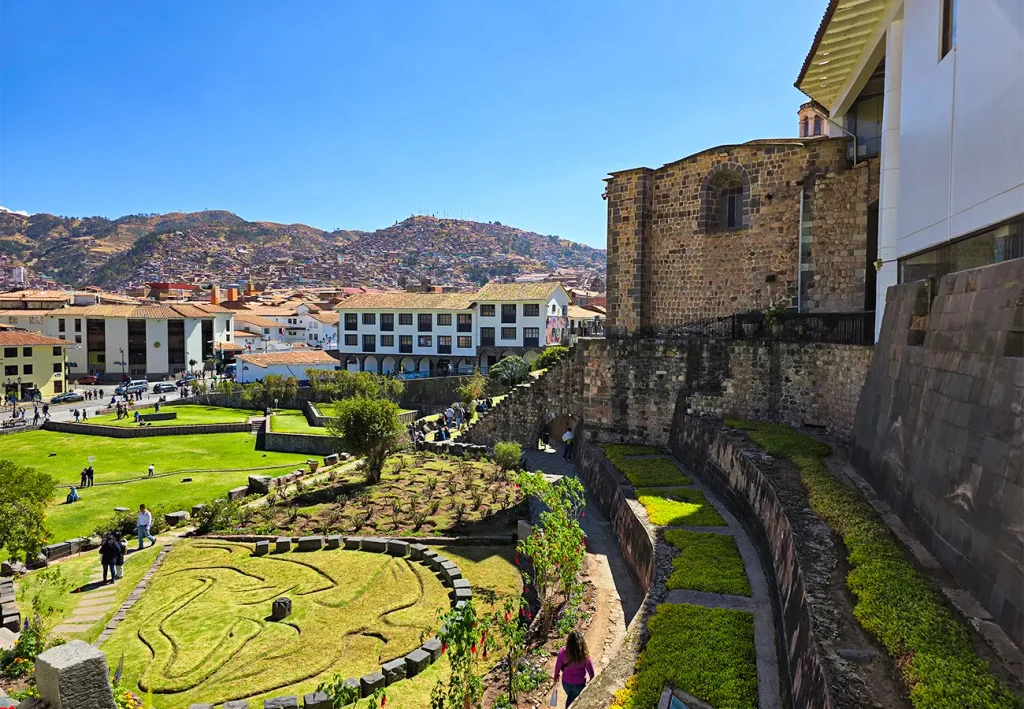
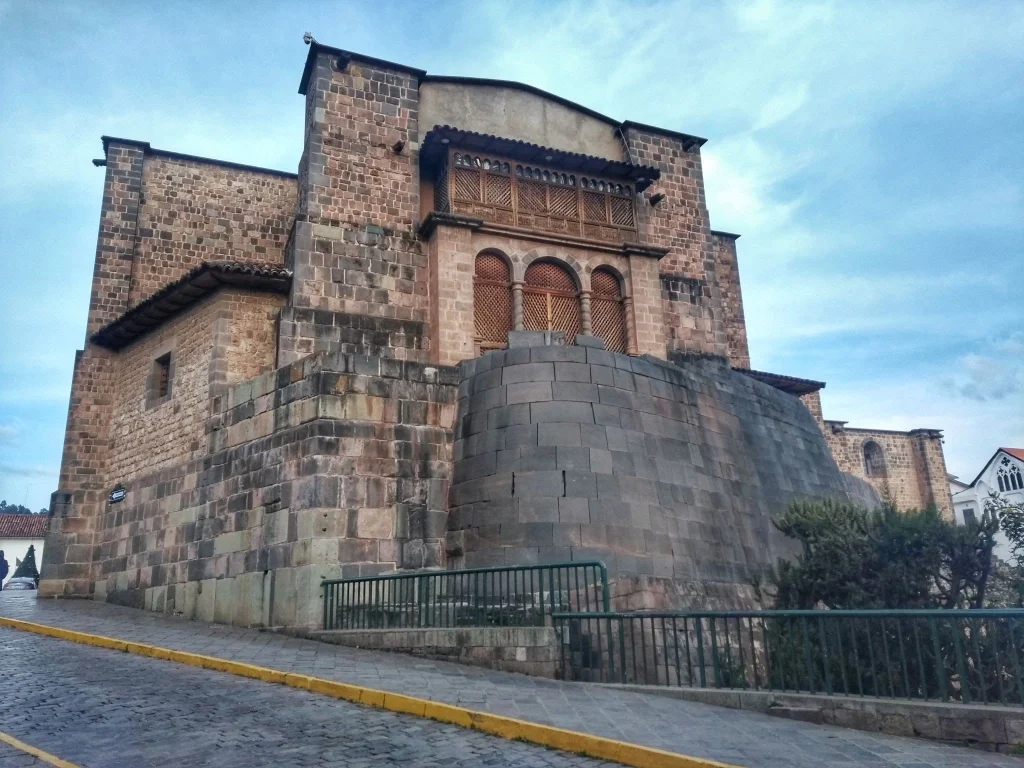
Today you can still see its famous polished stone walls, now joined to the Convent and Church of Santo Domingo built on top of them. The contrast tells the full story of Cusco in one place, Inca and colonial, side by side.
This guide explains what Qorikancha is, what it means, what to see, how much it costs, when to go, and how to visit in the best way.
- Location: Santo Domingo Plaza, Av El Sol, Cusco, 5 minutes walk from the Main Square
- What it is: The most sacred temple of the Inca Empire, dedicated to Inti, the Sun God
- Other names: Coricancha, Qoricancha, Golden Temple
- Best for: First time visitors to Cusco, history lovers, families, and Inti Raymi
- Ticket for the temple: 15 soles for a foreign adult, 8 soles for a student, free for children under 10
- Opening hours, temple: Monday to Saturday 8:30 to 5:30, Sunday 2:00 to 5:00
- How long to spend: 1 hour to 1 hour 30 minutes for the temple, 2 hours with the Site Museum
- When to go: Morning for fewer crowds, June 24 for Inti Raymi
Whats is Qorikancha?
Qorikancha is the most sacred temple of the Inca Empire, dedicated to Inti, the Sun God. It was the religious center of Cusco and of Tahuantinsuyo, the Inca Empire. Today it is a temple, a convent, and a museum in one site, where Inca stonework meets colonial architecture.
If you visit only one site in Cusco before Machu Picchu, make it Qorikancha. It explains why Cusco was the center of the Inca world.
Where is Qorikancha located?
Qorikancha is in Santo Domingo Plaza in Cusco, on Av El Sol. It is about 5 minutes walk from the Cusco Main Square, downhill from the historic center.
You do not need a taxi from the center. You can walk. If you stay in San Blas or the center, allow 10 to 15 minutes on foot.
What does Qorikancha mean?
Qorikancha comes from two Quechua words. Qori means gold. Kancha means enclosure or courtyard.
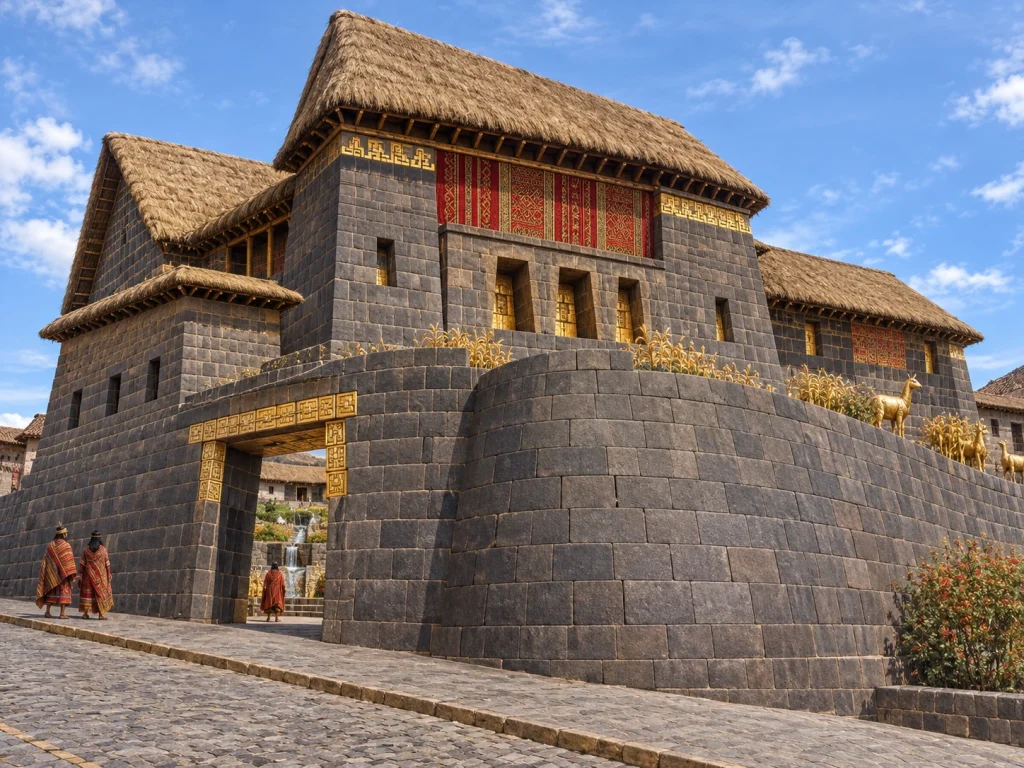
Together, the name means Golden Enclosure or Golden Courtyard. The name refers to the gold that once covered the walls, the gardens, and the sacred objects inside. Chroniclers described walls covered in gold leaf, and a garden with plants and animals made from gold and silver.
History of Qorikancha
Qorikancha has lived through three clear eras. You can see all three in the walls today.
Inca Era, 1438 to 1533
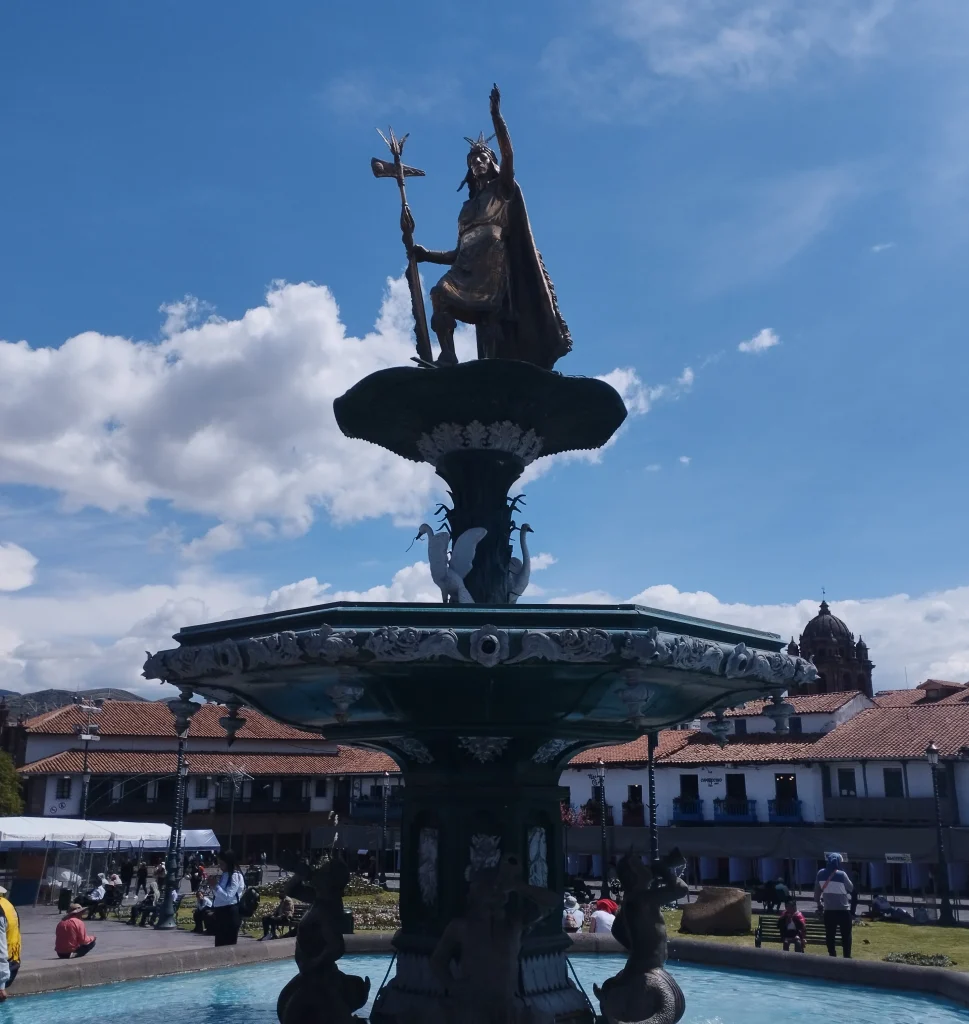
Qorikancha was rebuilt and expanded under the ruler Pachacutec. It became the most sacred temple of the empire, dedicated to Inti, the Sun God.
It stood between the Saphy and Tullumayo rivers, in the center of Cusco. Its stone walls were cut with such precision that they fit together without mortar. Inside, priests kept the golden image of the Sun, known as the Punchao, and the mummies of past rulers.
Pilgrims came from across the empire to worship here. Only the ruler, high priests, and nobility could enter the inner chambers.
Colonial Era, 1533 to 1821
After the Spanish conquest, the Dominicans built the Convent of Santo Domingo on top of Qorikancha. Work began in 1538. The church was consecrated in 1633 in Cusco Baroque style.
An earthquake in 1650 damaged the colonial building. It was rebuilt by 1681. The Spanish building did not destroy the Inca walls below. The Inca stonework survived, strong and precise, under the colonial walls.
The result is a clear example of cultural meeting. You see Inca engineering below and Spanish religious architecture above.
Republican Era, 1821 to today
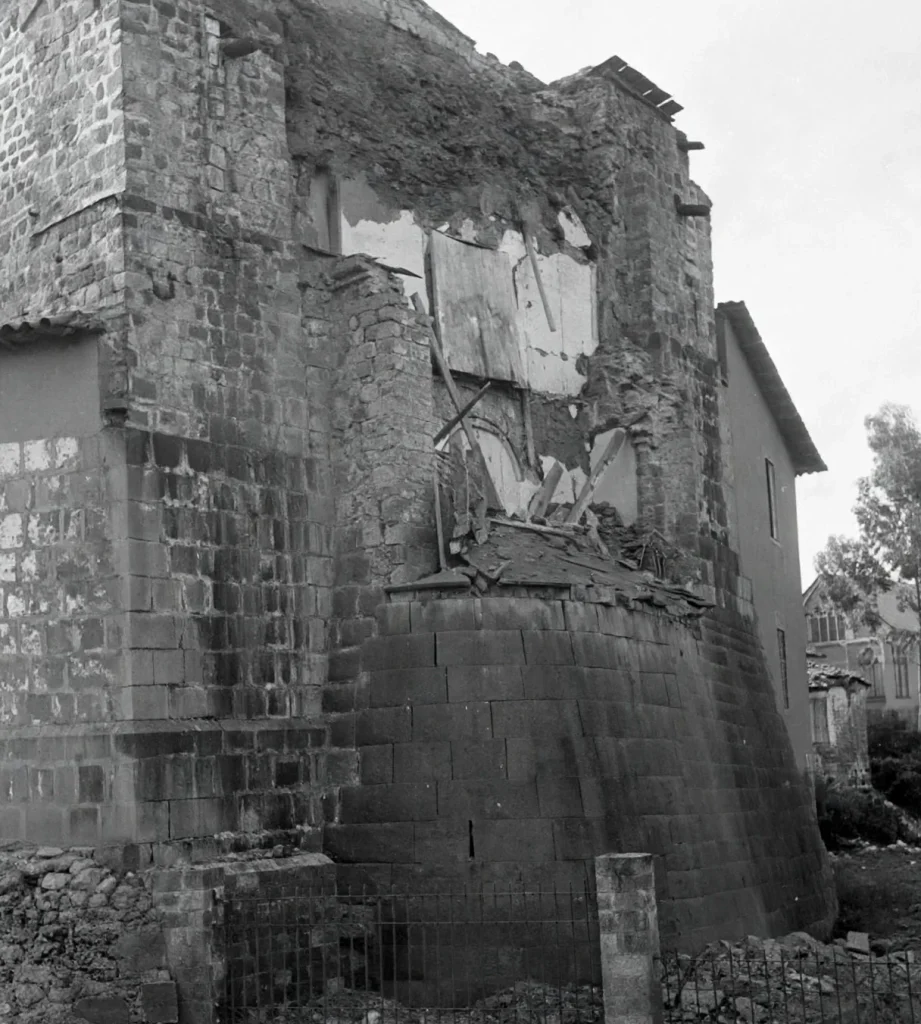
A strong earthquake in 1950 collapsed much of the colonial structure. It also revealed the original Inca walls beneath in full view.
After long debate, Cusco chose to preserve both styles. The Inca walls were not covered again. The colonial church was repaired. Today Qorikancha shows both histories at once. It is one of the most important heritage sites in Peru.
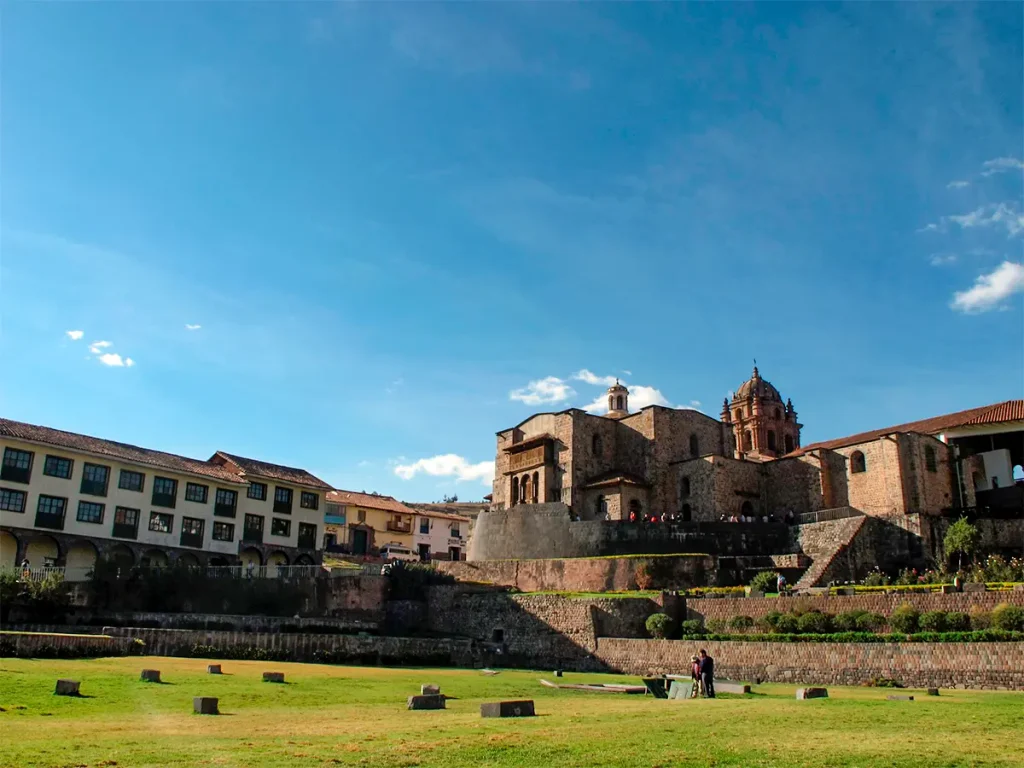
What to see at Qorikancha: Must see attractions
Qorikancha was not one temple. It was a complex of temples around a courtyard. These are the main spaces to look for.
Temple of the Sun
This was the holiest sanctuary, dedicated to Inti. Its walls were once covered in gold leaf. It held the golden Sun image and the mummies of Inca rulers. Today you can see the curved wall and the fine stonework that made this space sacred.
Temple of the Moon
This temple honored Mama Killa, the Moon, wife of the Sun. Its portals and niches were linked to lunar cycles. It protected the mummies of queens, known as qollas.
Temple of the Stars and Venus
This chamber was aligned to the stars and planets. It connected Inca cosmology to the sky. Later, the Dominicans used it as their chapter house.
Rainbow Temple
This temple honored Kuychi, the Rainbow. It is known for its trapezoidal niches and its painted rainbow. The rainbow joined heaven and earth in Inca belief.
Thunder Temple
This temple was dedicated to Illapa, the god of thunder and weather. It has a triple entry design and aligned niches that show precise ritual geometry.
Sacrificial Temple
This space held a large stone altar for offerings and rituals. It sits near the Rainbow Temple and shows the ceremonial importance of this part of the complex.
Sacred Fountains
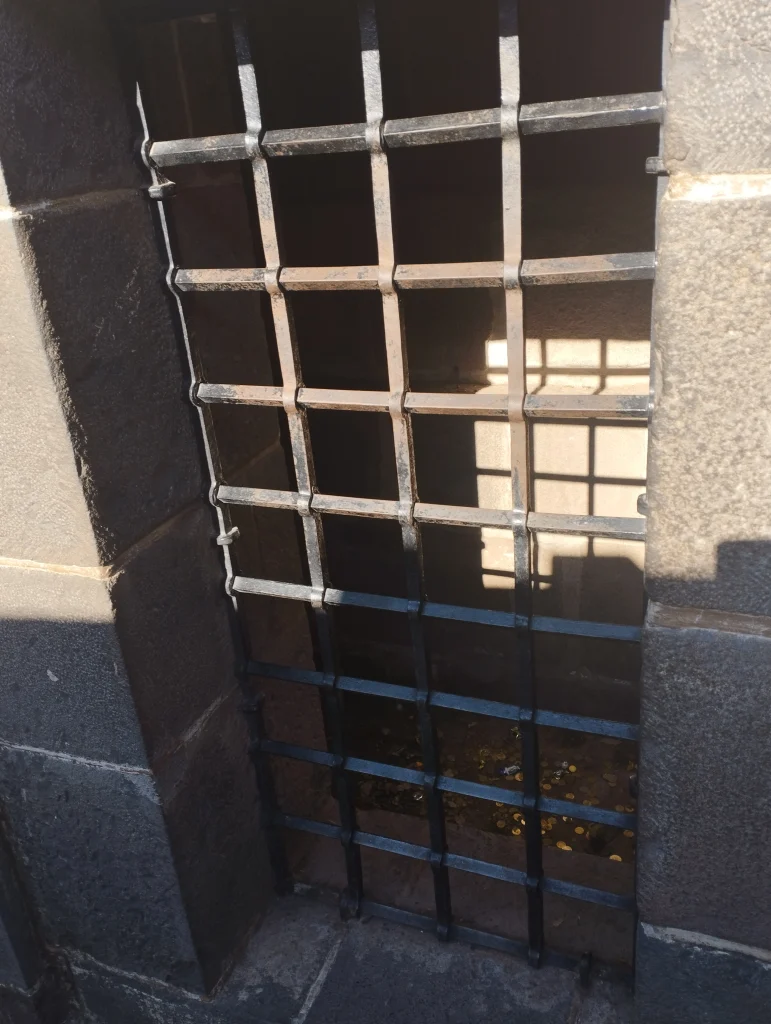
Qorikancha has five water fountains. They show advanced Inca hydraulics. Water was both practical and sacred. It was used for purification and for offerings.
Solar Garden
The Solar Garden was a ceremonial garden. It once held replicas of corn and plants made from gold, used in solstice offerings. Today the garden helps you imagine the original splendor of the temple.
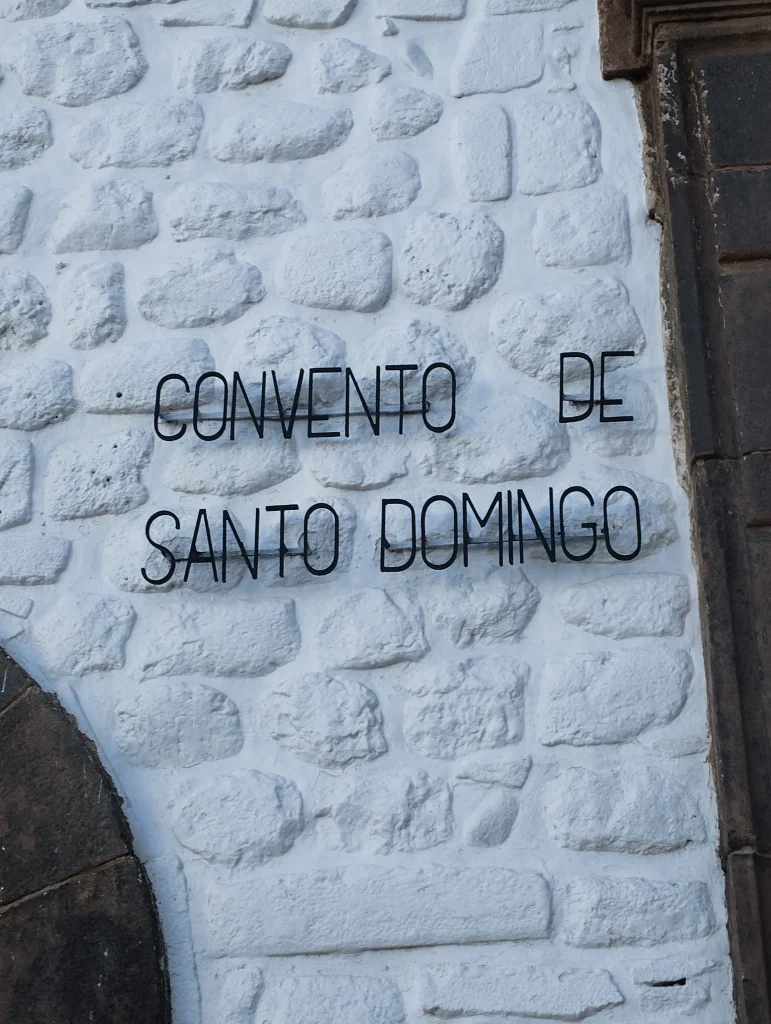
The Convent and Temple of Santo Domingo
The Convent and Temple of Santo Domingo stands on the foundations of Qorikancha. It is one of the clearest examples of cultural meeting in the Americas.
The Spanish built the Catholic temple over the sacred Inca structure to show the triumph of Christianity. They did not erase the Inca work. The Inca walls survived, with perfect joints and no mortar, and they still amaze architects and engineers today.
Inside the convent you will see colonial paintings, carved wood, and courtyards. Outside you will see the famous curved Inca wall. Walk slowly and look at the joints. That is the best lesson in Inca engineering in Cusco.
Qorikancha Site Museum
The Qorikancha Site Museum is across the street on Av El Sol. It is separate from the temple visit.
Inside you will see ceramics, textiles, and metal objects from earlier Andean cultures, the Inca period, and the colonial period. Models and displays help you picture how Qorikancha looked when its walls were covered in gold.
The Site Museum is included in the Full Cusco Tourist Ticket, known as the Boleto Turistico Integral. It is not included in the 15 soles temple ticket. If you plan to visit many sites in Cusco, the Full Tourist Ticket can save you time and money.
Qorikancha Bell Tower Experience
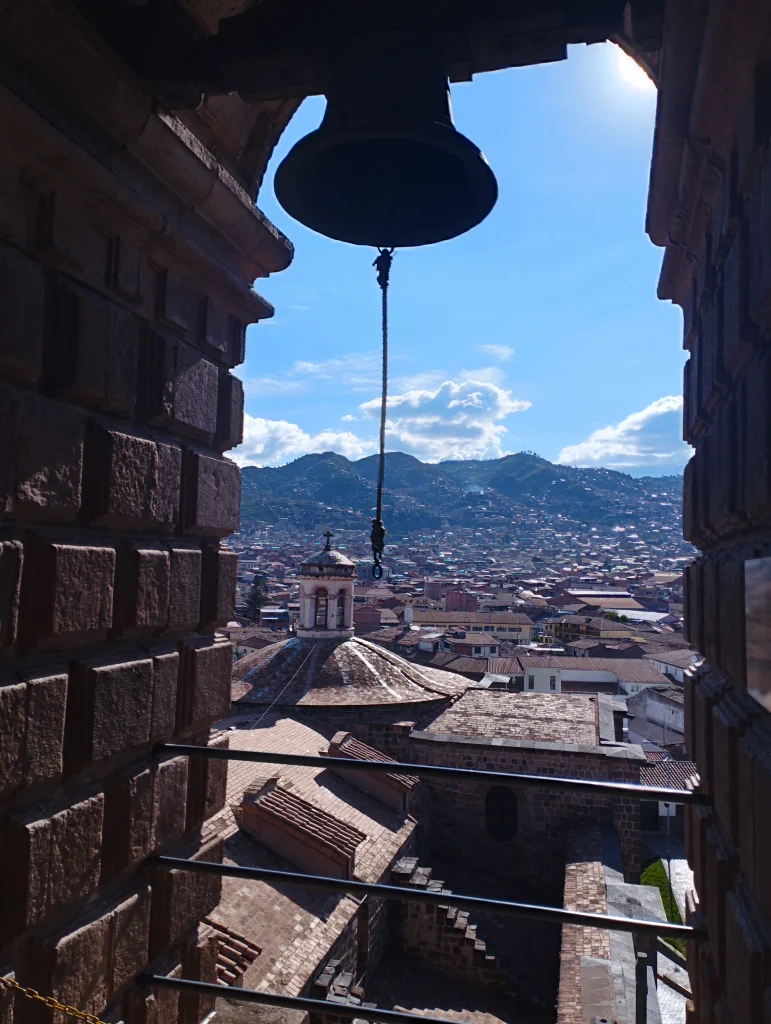
The bell tower at Santo Domingo offers panoramic views over Cusco. From the top you can see the red roofs of the historic center, the hills around Cusco, and the meeting of Inca and colonial architecture.
The bell tower charges a separate small fee. It is about 5 soles for visitors and 3 soles for residents, subject to change. Check the price on arrival. The climb is short but steep, with steps.
Qorikancha Admission Ticket 2026 and 2027
Plan your visit with these prices for the temple and convent.
| Visitor | Price for Qorikancha temple |
| General admission, foreign adult | 15 soles, about 5 US dollars |
| University student | 8 soles, about 3 US dollars, with valid student ID |
| Children under 10 | Free |
Bring cash in Peruvian soles. Card payments are not always accepted at the gate. Prices for 2027 have not been published yet. The price structure is expected to stay the same. Check the price on arrival.
The Site Museum is separate. It is included in the Full Cusco Tourist Ticket, which costs 130 soles for a foreign adult in 2026 and covers 16 sites for 10 days. If you only want the temple, you do not need the Tourist Ticket.
Opening hours for the temple are Monday to Saturday 8:30 to 5:30, and Sunday 2:00 to 5:00. The Site Museum opens daily from 9:00 to 5:45. Hours can change on holidays. Check on arrival.
Cultural Immersion at Qorikancha
Inti Raymi, June 24
Inti Raymi, the Festival of the Sun, was created by Pachacutec. It was held at the winter solstice to honor Inti. Today it is recreated every June 24, with processions, music, and offerings. The ceremony starts at Qorikancha and continues at Sacsayhuaman.
June is the busiest month in Cusco. Book your hotel, tour, and Inti Raymi seats months ahead.
Qhapaq Raymi, December
Qhapaq Raymi was the summer solstice ceremony in December. As the first rays of the sun rose behind Apu Ausangate, they lit Qorikancha. The ceremony marked the start of the planting season. It joined religion, agriculture, and astronomy.
Today you can learn about Qhapaq Raymi through guides, museums, and cultural projects in Cusco.
Secrets and Legends of Qorikancha
The Solar Disc Legend
Oral tradition tells that Inti appeared to Pachacutec before a key battle and showed him in a divine mirror the lands he would conquer. This story shaped the Inca solar worldview and the expansion of Tahuantinsuyo. The sacred Punchao disc became the spiritual center of the empire.
The Plunder of Qorikancha
During the conquest and the ransom of Atahualpa in 1533 to 1534, Spanish conquistadors removed the gold from Qorikancha. Chroniclers describe hundreds of gold plates torn from the walls. The sacred Punchao, a gold image of the Sun God, was taken and shipped to Spain.
Much of the gold was melted down. The stone walls remained. That is why Qorikancha today is famous for its engineering, not only for its lost gold.
What to see near Qorikancha
Qorikancha is a perfect starting point for a walking day in Cusco. These sites are all close by.
- Cusco Main Square, the historic heart of the city
- Cusicancha, a former Inca palace with fine stone walls
- Inca Museum, with textiles, pottery, and mummies
- Museum of Precolombian Art, with 450 pieces in a colonial mansion
- Casa Concha Museum, known as Machu Picchu House, with items from the Hiram Bingham expedition
- Garcilaso de la Vega House Museum, former home of the mestizo chronicler
You can visit Qorikancha in the morning, then walk to the Main Square and the museums in the afternoon.
How to visit Qorikancha in the best way
- 1. Go early. Arrive at 8:30 when the temple opens. You will have quieter rooms and better photos.
- 2. Go with a guide. A guide explains which temple is which, what the niches meant, and why the walls survived earthquakes. Without a guide, Qorikancha can look like beautiful walls without a story.
- 3. Combine it with the Site Museum. Visit the temple first, then cross the street to the Site Museum. The models and artifacts will make the temple make sense.
- 4. Wear comfortable shoes. The floors are stone and uneven. The bell tower has steep steps.
- 5. Bring cash. Bring small bills in soles for the temple ticket and the bell tower.