Cusco Weather by Month Best Time to Visit and Packing Tips
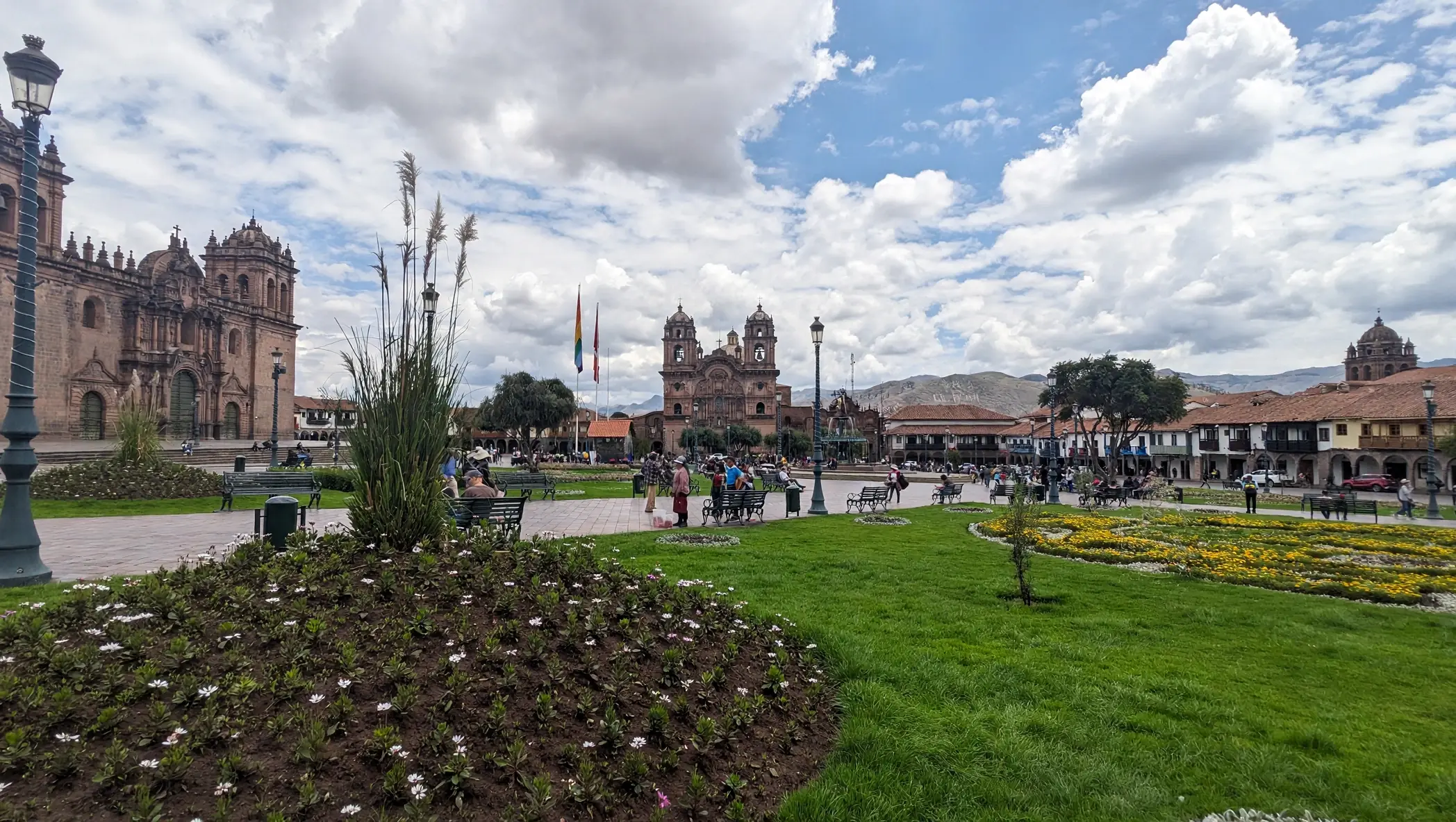
In Cusco, you can feel four seasons in one day. You can start the morning in a warm jacket, walk in bright sun by midday, and get caught in a short afternoon shower before dinner.
That is normal here. Once you understand why it happens, Cusco weather becomes easy to plan for. This guide explains it in plain English, month by month, with local advice you can actually use.
What Is Cusco Weather Like?
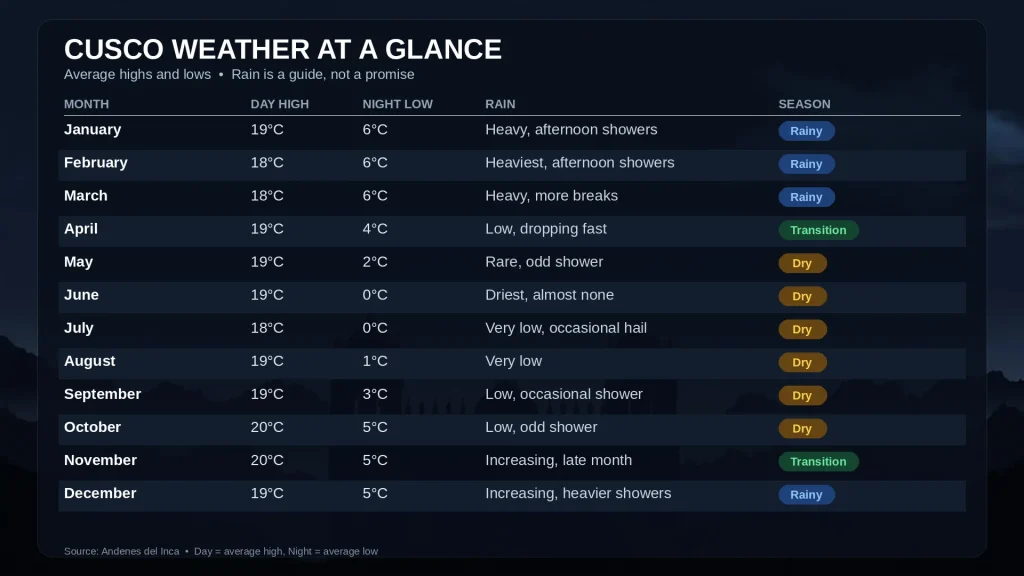
Cusco has two seasons, not four. A rainy season from November to March, and a dry season from April to October.
Daytime temperature stays almost the same all year, usually 18 to 20°C. Night temperature changes much more, from around 6°C in the rainy season to around 0°C in the dry season.
Mornings are often clear. Rain, when it comes, usually arrives in the afternoon and does not last all day. Even in the wettest months, you will still get sun.
If you only remember one rule, remember this: dress in layers, carry a rain poncho every day, and plan your main sightseeing for the morning.
How Cusco Climate Really Works
Altitude controls everything
Cusco city sits at 3,400 m above sea level, or 11,150 ft. At that height, the air is thin and dry. The sun feels very strong, even when the air feels cool. Shade feels cold. Sun feels warm. That is why the same day can feel like winter in the morning and summer at noon.
Altitude also explains the big gap between day and night. The thin air does not hold heat after sunset, so temperatures drop fast. A day that reaches 19°C (66°F) can fall to 2°C at night in June and July.
Two seasons, one daily pattern
Cusco does not have a hot summer and a cold winter like Europe or North America. It has a wet summer and a dry winter, and the daily pattern matters more than the month.
In both seasons, a typical day looks like this:
- Early morning: Cold, clear, and calm. Best light for photos.
- Mid-morning to midday: Sunny and warm. Best time for walking tours and ruins.
- Afternoon: Clouds build. In the rainy season, expect a shower. In the dry season, expect clear skies.
- Evening and night: Cold fast. You will want a warm jacket, even in January.
If you plan your day around this pattern, weather will rarely ruin your trip.
Cusco Weather at a Glance Year Round
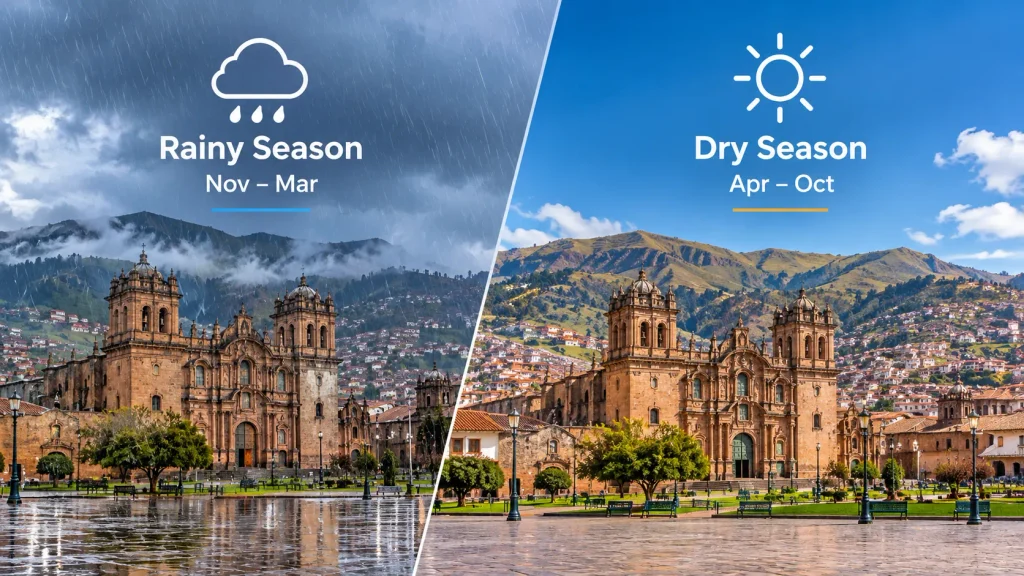
This is the simple summary travelers ask us for most. Temperatures are average highs in the day and average lows at night. Rain is a guide, not a promise. Even a wet month has many dry mornings.
Rainy Season in Cusco: What to Expect
Rainy season runs November to March, with January and February as the heaviest months. Occasional showers are expected throughout this period, with the heaviest rains often occurring in January and February.
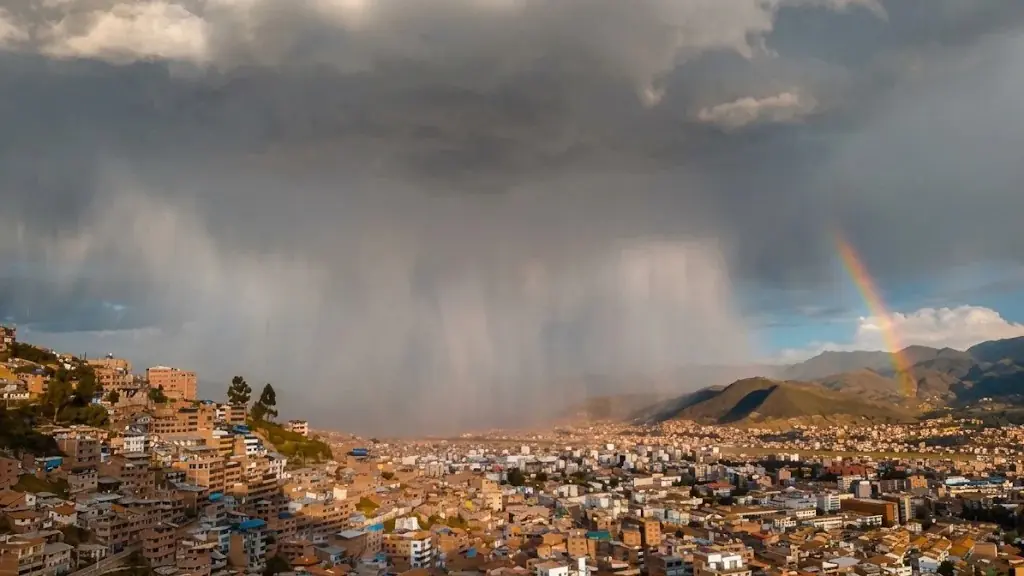
Rainy season does not mean rain all day. It means rain on most days, usually for one to two hours in the afternoon. Mornings are often beautiful. Trails are green. Waterfalls are full. Clouds can make Machu Picchu look mysterious in the morning, then clear by midday.
Crowds are smaller. Prices for hotels and tours are often lower. You will need good rain gear and good shoes, but you will also get some of the best photos of the year.
- Cusco Weather in November
November is a transition month. Early November can still feel dry. Late November brings more rain. Fields start to turn green after months of dry season. Temperatures are pleasant, with days around 20°C and nights around 5°C. This is a good month if you want green landscapes without the heaviest rain.
Pack a poncho, but expect many sunny mornings.
- Cusco Weather in December
December brings warmer days and more rain. It is also the start of summer holidays for Peruvian families, so Cusco feels lively. Expect days around 19°C (66°F) and nights around 5°C. Showers are heavier than in November, but they rarely stop sightseeing for a whole day.
Book hotels early if you travel near Christmas and New Year.
- Cusco Weather in January
January is one of the wettest months. You will see sun less often, and you will likely get rain on most days. The good news is that showers are usually short. Things dry quickly. Expect days around 19°C (66°F) and nights around 6°C.
This is a great month for green photos, quiet ruins, and lower prices. Bring a waterproof jacket and shoes with good grip.
- Cusco Weather in February
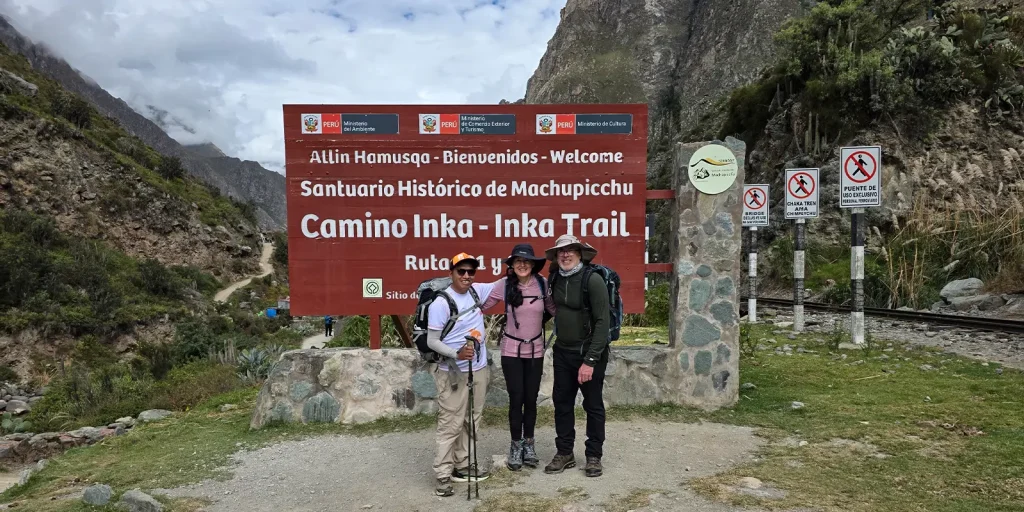
February is the wettest month in Cusco. Expect days around 18°C and nights around 6°C. Some trails are muddy and slippery. The Inca Trail is closed every year during February in order to allow maintenance.
That does not mean you cannot trek. The Salkantay Trek, Lares Trek, and many day hikes stay open. Machu Picchu stays open. You just need to choose routes with a good guide and allow extra time for rain.
- Cusco Weather in March
March still has heavy showers, but you will see more breaks in the clouds and more sun than in February. All treks are open again. Expect days around 18°C and nights around 6°C. Trails are still wet, so good hiking boots matter more than ever.
March is a good balance: green, quieter than the dry season, and starting to clear.
- Cusco Weather in April
April is the second transition month. Rain drops fast. Sun returns. Days are around 19°C (66°F) and nights around 4°C. Nights start to feel cooler, which is a sign the dry season is coming.
April and May are two of our favorite months as local guides. You get dry season light with rainy season green.
Dry Season in Cusco: What to Expect
Dry season runs April to October, with May to September as the core dry months. Expect mostly sunny days, clear views, and cold nights. Morning frost is possible in high mountain passes in June and July.
This is high season for tourism. Hotels, trains to Machu Picchu, and popular treks can sell out weeks ahead. Book three months ahead if you travel in June, July, or August.
The sun is very strong in the dry season. Use sunscreen, a hat, and sunglasses every day, even when it feels cool.
- Cusco Weather in May
May is the official start of the dry season for most travelers. You may see an odd shower, but rain is rare. Days are around 19°C (66°F) and nights around 2°C. The landscape is still green from the rainy season, but skies are clear.
May is excellent for trekking and for photos, before the biggest crowds arrive.
- Cusco Weather in June
June is the driest month of the year. You may see no rain at all. Days are around 19°C (66°F) and nights around 0°C. It is also festival month in Cusco, with Inti Raymi on June 24 and events almost every day.
Expect large crowds at all major sites. Book everything early. Bring a very warm jacket for nights and early morning starts.
- Cusco Weather in July
July has the coldest nights of the year, around 0°C. Days are still pleasant, around 18°C, with bright, cloud free afternoons. July is busy with national holidays and school holidays in Peru.
You may see an occasional hailstorm, even in the dry season. It passes quickly. Keep a warm hat, gloves, and a warm sleeping bag if you trek.
- Cusco Weather in August
August is the end of winter. Nights are still chilly, around 1°C, but days get warmer, around 19°C (66°F). Rain is still very low. Views of the Andean landscapes are excellent.
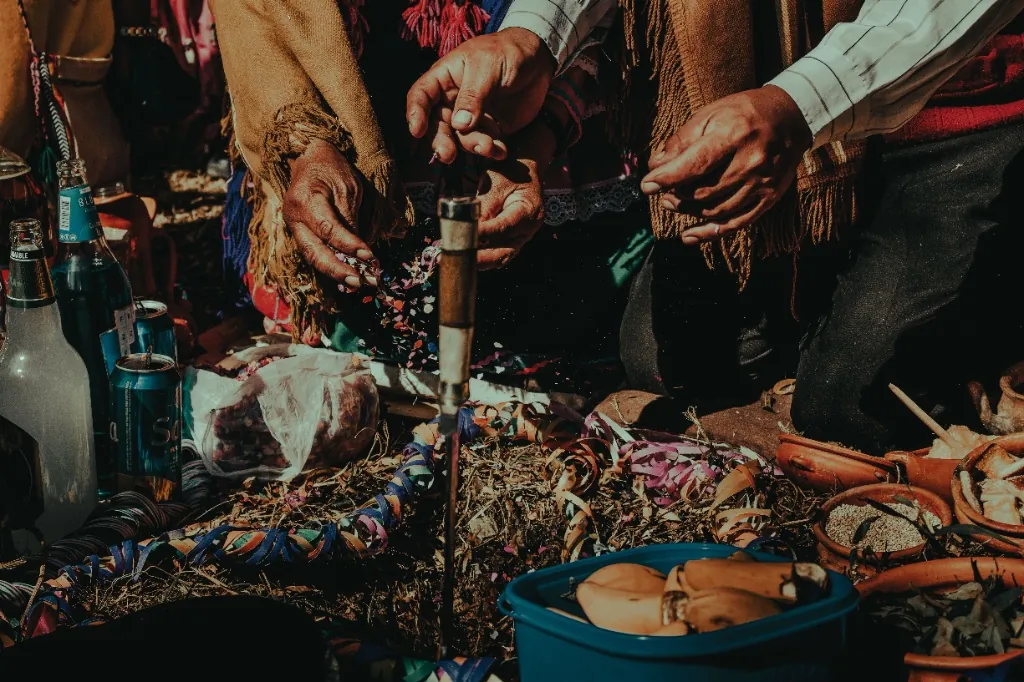
August is also Pachamama month, a beautiful time to experience Andean culture. See our guide to Andean rituals and despachos for more detail.
- Cusco Weather in September
September feels warmer again. Days are around 19°C (66°F) and nights around 3°C. Weather is warm, clear, and sunny, with only an occasional shower. It is still busy, but less intense than July.
September is a great choice for couples and photographers who want dry season weather without peak crowds.
- Cusco Weather in October
October is the warmest month in Cusco, with days around 20°C and nights around 5°C. Skies are generally clear and blue, with the odd shower. This is the last month to get classic dry season views of Machu Picchu before the rains return.
October is one of our top picks for first time visitors. Good weather, fewer crowds, and green starting to return.
Best Time to Visit Cusco: By Traveler Type
There is no single best month for everyone. The best month depends on what you want.
- Best for first time visitors: April, May, September, and October. Good weather, clear views, and fewer crowds than June and July.
- Best for trekking: May to September. Dry trails, clear mountain views, cold nights. Bring a warm sleeping bag rated for below freezing.
- Best for photography: April, May, and October. Green landscapes plus clear skies. Morning light is best.
- Best for festivals: June. Inti Raymi, Corpus Christi, and Cusco Day celebrations fill the city. Book early.
- Best for budget travel: January, February, and March. Fewer tourists, more hotel deals, greener landscapes. You will trade sun for rain.
- Best for families: May, September, and October. Milder nights, less cold stress for kids, and easier planning than peak season.
- Best for Machu Picchu views: May to September. Less cloud, lower chance of rain, sharper morning views.
If you want one simple answer: if you want the classic postcard weather, come in May or September. If you want culture and energy, come in June. If you want quiet and green, come in January to March.
Cusco vs Sacred Valley vs Machu Picchu & Why Weather Changes with Altitude
Many travelers are surprised that Machu Picchu feels warmer than Cusco. That is because of altitude.
Cusco sits at 3,400 m. Machu Picchu citadel sits at 2,430 m, or 7,972 ft, and Aguas Calientes are lower than Cusco. That difference of almost 1,000 m makes Machu Picchu warmer, more humid, and more tropical.
- Cusco: Cool, dry, high altitude. Cold nights. Strong sun.
- Sacred Valley, Ollantaytambo and Urubamba: Lower than Cusco, around 2,800 m. Warmer, especially at night. Good for acclimatization on your first day.
- Machu Picchu and Aguas Calientes: Lowest and warmest. More humid. More cloud and mist. Rain is possible even in the dry season. Day temperatures often reach 24 to 25°C.
Practical tip: Dress in layers when you travel from Cusco to Machu Picchu. You will leave Cusco in a jacket and arrive in Aguas Calientes in a T shirt. Pack your rain poncho for Machu Picchu even in July, because cloud forest mist can appear fast.

Don’t Overpack, Pack Sensibly
Most travelers overpack for Cusco. They overthink the weather and carry a heavy suitcase they barely open.
Pack light. Bring your broken in boots, your base layers, and your passport. Buy the bulky things here if you need them.
Cusco has plenty of shops for every type of clothing, from top brand outdoor gear to local alpaca wool. You will find warm sweaters, hats, gloves, and ponchos in San Pedro Market and on Avenida El Sol, often cheaper here than at home.
For second hand clothing, shoes, and jackets, do not miss the second-hand stores around Santiago. Tons of choice, low prices, and great for a warm jacket or trekking shoes. The Saturday Baratillo market is also worth a visit.
If you forget something, you will find it in Cusco the same day.
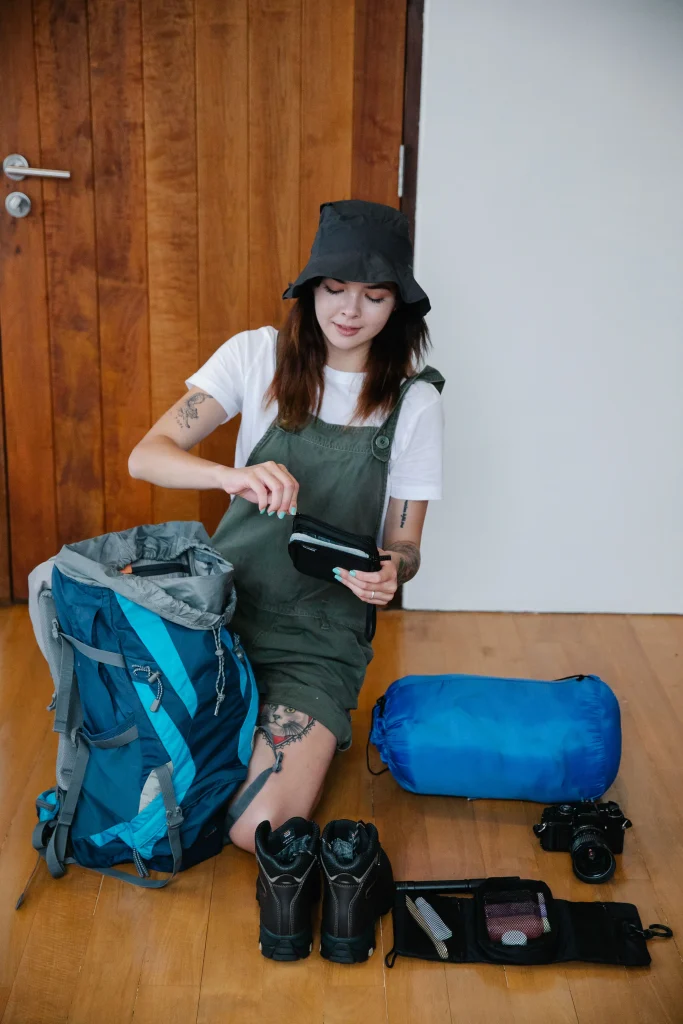
What to Pack for Cusco in Any Month
Packing for Cusco is about layers, not bulk. Temperatures change fast, but the solution is simple: thin layers you can add or remove.
Clothing to bring every month
- Thin base layers you can wear under a sweater
- A warm fleece or sweater
- A warm, windproof jacket for nights and mountain passes
- A raincoat or waterproof poncho, every day, every month
- Hiking boots or shoes with good grip, already broken in
- Comfortable sneakers for the city
- Warm pajamas
- Warm hat, scarf, and gloves for cold nights and high passes
- Sun hat, sunglasses, and sunscreen factor 50 plus
Other essentials
- Reusable water bottle. Drink water often at altitude.
- Day pack to carry layers, water, sunscreen, and rain gear
- Insect repellent, especially for Machu Picchu and the Sacred Valley
- Personal medication
- Passport, for Machu Picchu entry and train tickets
- Flashlight or headlamp for early trek starts
- Plug adapters if needed
- High quality camera or phone with a good camera
What not to pack: heavy jeans for trekking, brand new boots, or only shorts and T shirts. Even in October, nights in Cusco are cold.
Practical Tips from Local Guides
- Start early. Sightseeing is best from 7 am to 12 pm, before afternoon clouds build.
- Check the sky, not just the forecast. A sunny morning in Cusco can turn cloudy by 2 pm. A cloudy morning can clear by 10 am.
- Allow one easy day for altitude. On day one, walk slowly, drink water, eat light, and avoid alcohol. Your second day will feel much better.
- Flights: Heavy rain can delay a flight or two, but it is rarely a major issue. In the rainy season, book a morning flight to Cusco if you can. Morning flights are less likely to be delayed by afternoon storms.
- Treks: In February, the Inca Trail is closed. Choose Salkantay, Lares, or Inca Quarry Trail instead. Your guide will adjust the route for rain.
- Sun: The sun at 3,400 m burns fast. Reapply sunscreen every two hours. Wear a hat even on cloudy days.
- Rain gear: A cheap plastic poncho from a Cusco market works, but a good waterproof jacket is better for treks. Bring both if you trek in January to March.
A Final Thought for Your Trip
Cusco weather is not a reason to cancel. It is a reason to pack well and start early. The city rewards travelers who dress in layers, carry a poncho and or a thin waterproof jacket, and stay flexible.
If you come in the dry season, you will get blue skies and cold nights. If you come in the rainy season, you will get green valleys, quiet ruins, and dramatic clouds. Both are beautiful. The key is to know what to expect and to travel with guides who live here and read the mountain weather every day.
If you would like help choosing the best month for your trip, tell us what matters most to you: trekking, festivals, photography, or quiet. Our team in Cusco will build a plan around the weather, not against it.
Plan your trip to Cusco now. Check our Salkantay Trek, Sacred Valley Tour, and Machu Picchu tours, all led by local guides based in Cusco.
Frequently Asked Questions
What is the weather like in Cusco year-round?
Cusco has two seasons. Rainy season from November to March, and dry season from April to October. Days are usually 18 to 20°C all year. Nights range from around 6°C in the rainy season to around 0°C in the dry season.
When is the rainy season in Cusco?
Rainy season runs November to March, with January and February as the rainiest months. Rain usually comes as short afternoon showers, not all-day rain.
When is the dry season in Cusco?
Dry season runs April to October. May to September is the core dry period, with mostly sunny days, clear views, and cold nights.
What is the best time to visit Cusco?
For most travelers, April, May, September, and October offer the best balance of good weather and fewer crowds. For festivals, June is best. For budget travel and green landscapes, January to March is best.
What is the coldest month in Cusco?
June and July have the coldest nights, often around 0°C. Days stay sunny and pleasant, around 18 to 19°C (66°F). If you trek, bring a warm sleeping bag rated for below freezing.
What is the warmest month in Cusco?
October is the warmest month, with days around 20°C and nights around 5°C. It is a great month for clear skies and fewer crowds.
What is the weather like at Machu Picchu compared to Cusco?
Machu Picchu is lower, warmer, and more humid than Cusco. Machu Picchu sits at 2,430 m, while Cusco sits at 3,400 m. Expect warmer days, more cloud and mist, and rain possible even in the dry season. Pack a rain poncho for Machu Picchu in any month.
Does Cusco weather affect flights?
Occasionally heavy rain can delay a flight, but it is not usually a major issue. If your flight is delayed, you are usually rebooked quickly. Morning flights are less likely to be delayed than afternoon flights.
What should I pack for Cusco?
Pack layers: thin base layers, a warm fleece, a warm jacket, and a rain poncho. Bring hiking boots with good grip, a sun hat, sunglasses, sunscreen factor 50 plus, a warm hat and gloves, and a reusable water bottle.
Is February a bad time to visit Cusco?
February is the wettest month and the Inca Trail is closed, but it is not a bad time if you are prepared. Machu Picchu, the Sacred Valley, and other treks stay open. You will get green landscapes, fewer tourists, and lower prices. Just bring good rain gear and choose your treks with a local guide.